

A Castle Full of Chaos: How Season 4 of The Traitors Became Reality TV Perfection
Updated: Mar 4
I started watching The Traitors for one simple reason: they kept casting my favorite Survivor players. That was the hook. I tuned in for strategy, chaos, and the familiar faces I already loved. But somewhere between the Scottish castle, the velvet cloaks, the dramatic roundtables, and Alan Cumming serving theatrical excellence in every scene, something shifted. I fell in love with the show itself.
Now I literally only have Peacock during the months The Traitors is airing. The moment the finale ends, I cancel. The moment a new season drops, I am back. It has become a ritual, a seasonal subscription tied to betrayal, kilts, and psychological warfare.
Season 4 felt like the payoff for sticking around. It was the first time the cast chemistry felt rare, almost alchemical. A room full of personalities that should have clashed instead created something delicious, unpredictable, and strangely cohesive. It was the kind of ensemble magic reality TV rarely captures twice.
The Ones Who Loved, Lost, and Left Us Screaming at the TV
The Faithfuls

This cast was stacked with personalities who made the season feel alive from the very first murder.
Rob Cesternino - The first major heartbreak. A strategic legend taken out before he could even warm up. His early exit during a "murder in plain sight" felt like a personal attack on fans of smart television.
Tiffany Mitchell - Justice for the Big Brother players. Tiffany is one of the sharpest social players reality TV has ever produced, and watching her go early was painful. She deserved a long game, not a footnote.
Ian Terry - Another Big Brother casualty. A brilliant mind, a quirky presence, and someone who could have been a late‑game disruptor. His exit felt like losing a chess piece before the board was even set.
Mama Donna Kelce - A moment that deserves its own space. A Secret Traitor. A mother. A Swiftie icon by association. Her early departure was devastating. For Swifties, it felt like losing a cultural auntie. For the game, it was a twist that shifted the season's emotional tone.
Monet X Change - The commentary queen. Sharp, hilarious, and often more accurate than the room deserved. She was the Greek chorus the castle needed.
Yam Yam Arocho - His banishment by the broach was one of the funniest and most ridiculous moments of the season. Only Yam Yam could turn a formal accusation into a comedy sketch, complete with the unexpected "kiss" that instantly became castle folklore. It was chaotic, unserious, and absolutely iconic, the kind of moment that reminds you why casting him was a gift.
Michael Rapaport - Pure chaos. Loud, unpredictable, and somehow always in the center of the storm. He brought a level of unfiltered energy that made every scene feel combustible.
Colton Underwood - He was there. He existed. He participated. He was betrayed.
Ron Funches - One of the most heartbreaking moments of the season. His emotional unraveling after falsely accusing Porsha was raw and human. It was the kind of moment that reminds you this show is not just a strategy. It is psychology.
Mark Ballas, Kristin Kish, and Stephen Colletti - They had the pieces but could not assemble the puzzle. Their strategic misses were painful but fascinating. They were the embodiment of almost.
Natalie Anderson - A Survivor winner whose exit stung more than expected. She did not get the dagger, but the dagger barely mattered this season anyway. The real heartbreak was watching the Skater Twins turn on her, especially when she played with such loyalty and heart. Even after leaving, she still wanted Rob to win, which says everything about her character.
Tara Lipinski and Johnny Weir - The Skater Twins. Elegant, dramatic, and occasionally confused. Their dynamic was so specific it felt scripted. They floated through the castle like a pair of suspicious ice angels.
The Other Housewives (Porsha Williams, Caroline Stanbury, and Dorinda Medley) - Glamour, confessionals, and the kind of dramatic punctuation only Housewives can deliver. They added texture and sparkle to a cast already overflowing with personality.
This group created a rare chemistry. Loud ones, quiet ones, strategic ones, clueless ones, and the ones who barely left an impression. Together, they made the castle feel alive.
The Traitor Housewives Who Shaped the Early Game
Lisa Rinna and Candiace Dillard Bassett

Lisa and Candiace were the kind of casting choices that make this show electric.
Lisa Rinna brought theatrical paranoia. She was unpredictable in a way that made every scene feel unstable. Her reactions were big, her suspicions were loud, and her presence shifted the temperature of the room.
Candiace Dillard Bassett was the opposite. Loyal, steady, and emotionally grounded. She was the kind of Traitor who could have gone far if the game had not turned into a pressure cooker. Her loyalty to the Housewives (and perhaps, the Traitors) was intense and sincere.
Together, they created a dynamic that forced Rob to adapt early. Their exits were dramatic, messy, and unforgettable. They were the spark that lit the fuse for the rest of the season.
The Architect of Charm and Control
Rob Rausch

Rob Rausch’s win was satisfying because it proved he was far more than a pretty face. His looks are part of his appeal, but the season revealed something deeper. He was intelligent, emotionally aware, grounded, and intentional. Those qualities allowed him to build real connections that lasted.
Some argue that his attractiveness clouded others’ judgment, but that explanation is too shallow. Beauty might open a door, but strategy keeps you in the room. Rob never forgot he was playing a game. He formed bonds, navigated alliances thoughtfully, and made calculated decisions without losing his humor or composure.
He challenged the reverse bias that attractive people are shallow or manipulative. His kindness, thoughtfulness, and strategic clarity showed a character that did not need to be performed.
What stood out most was his intentionality. He processed every step, weighed consequences, and balanced relationships with precision. He kept things light, but he was never careless. His win felt earned.
The Heart of the Castle
Maura Higgins

Maura Higgins was far more central to Rob’s victory than many viewers admit. She became the emotional engine of his success, and her trust in him, consistent and public, gave him credibility at moments when suspicion could have swallowed him whole. The pinky promise, the soft “I tink…” confessions, the way she steadied him in rooms that were ready to turn, all of it mattered more than the edit let on.
She was not foolish. She was human. She brought warmth, humor, and vulnerability into a narrative that was always orbiting Rob as the strategic center. When the show gave them moments of connection, we rooted for her. We rooted for them.
She embodied the emotional risk of the game. In a world of limited information and constant manipulation, trust becomes both shield and weapon. Choosing connection over suspicion is not weakness. It is courage.
She did not win the money, but she walked away with her integrity intact. In a show about deception, that matters more than people admit.
And after everything she poured into his win, Rob better get Maura her Birkin bag.
The Strategist with Magical Ears
Eric Nam
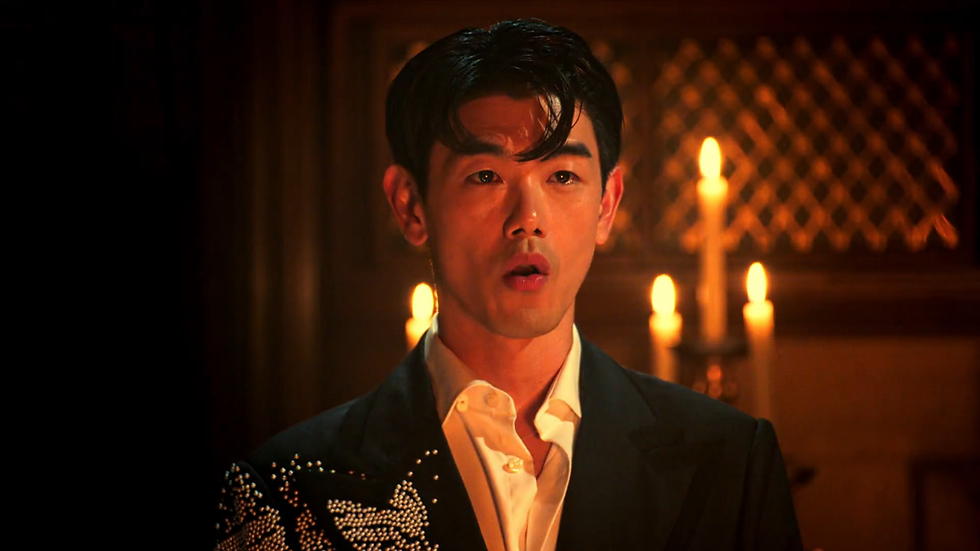
Eric Nam’s role in Rob’s win was not about innocence. It was about alignment, timing, and control.
He was not a naïve Faithful stumbling into danger. He pivoted when it made sense. He adapted. He played. Accepting the Traitor role was not a mistake. It was a calculated attempt to extend his life in the game.
But Rob understood something sharper. He did not need Eric to be gullible. He needed him to be manageable.
Eric had enough agency to feel like a partner without enough leverage to seize control. He became the ideal ally. Every move he made as a Traitor reinforced Rob’s long game. He absorbed heat, shifted suspicion, and validated decisions.
That is not stupidity. That is strategic hierarchy.
Eric became the amplification system, the secondary voice that made Rob look balanced and reasonable. He was strong enough to matter, not strong enough to take the wheel.
The Final Three
Beauty, Brains, and Betrayal

Rob, Maura, and Eric were three completely different energies navigating the same psychological battlefield.
Rob operated with intention and restraint.
Maura anchored the emotional core.
Eric moved with adaptive chaos.
Their dynamic worked because it was symbiotic. Rob’s intelligence thrived because Maura humanized him and Eric legitimized him. Maura’s loyalty amplified his credibility. Eric’s pivot gave the endgame structure.
And yes, this was one of the most attractive final threes reality TV has ever assembled. The camera loved them. The tension was high. The strategy was sharp. Casting said let’s give them everything.
A Season That Reminds Us Why Reality TV Still Works
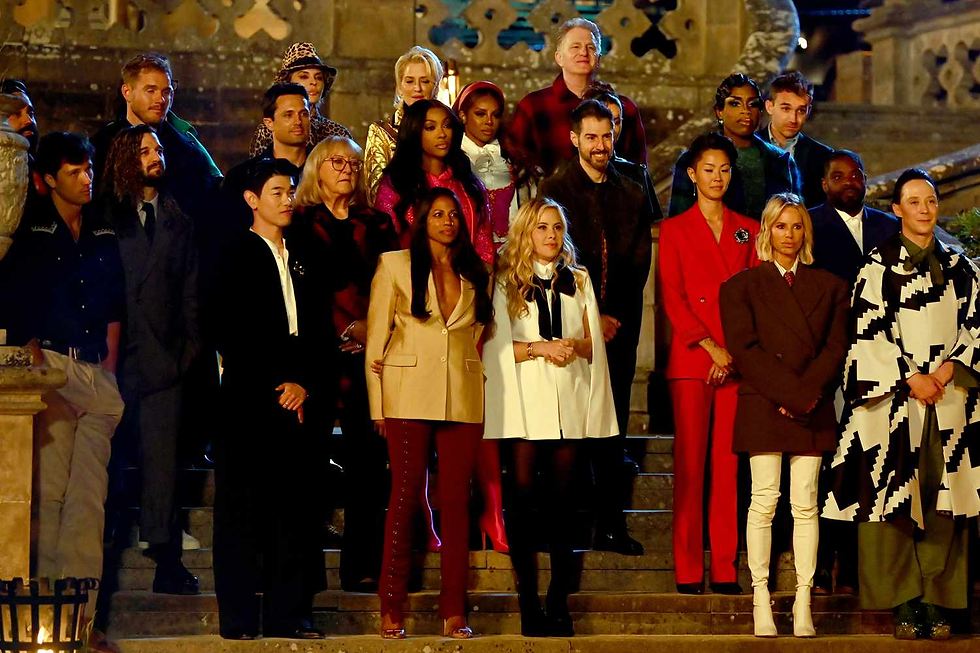
What Season 4 ultimately delivered was the rare kind of reality television alchemy that cannot be manufactured. It was a season where strategy met sincerity, where chaos met charm, and where a wildly eclectic cast somehow created a chemistry that felt both unpredictable and deeply human. The heartbreaks mattered, the betrayals stung, the humor landed, and the relationships felt real enough to root for even when the game demanded otherwise. In a genre that often leans on twists and gimmicks, this season proved that the most compelling drama still comes from people placed under pressure, navigating trust, fear, ego, and hope in real time. It was messy, emotional, funny, and beautifully constructed, the kind of season that reminds you why we watch these shows in the first place. Not for perfection, but for the moments where humanity breaks through the game. And in that sense, this was another brilliant chapter in the legacy of The Traitors, a season that will be hard to replicate and even harder to forget.


Comments